Rob Dolton
|
Create meaning with your HMI
HMI should be a direct communication of brand
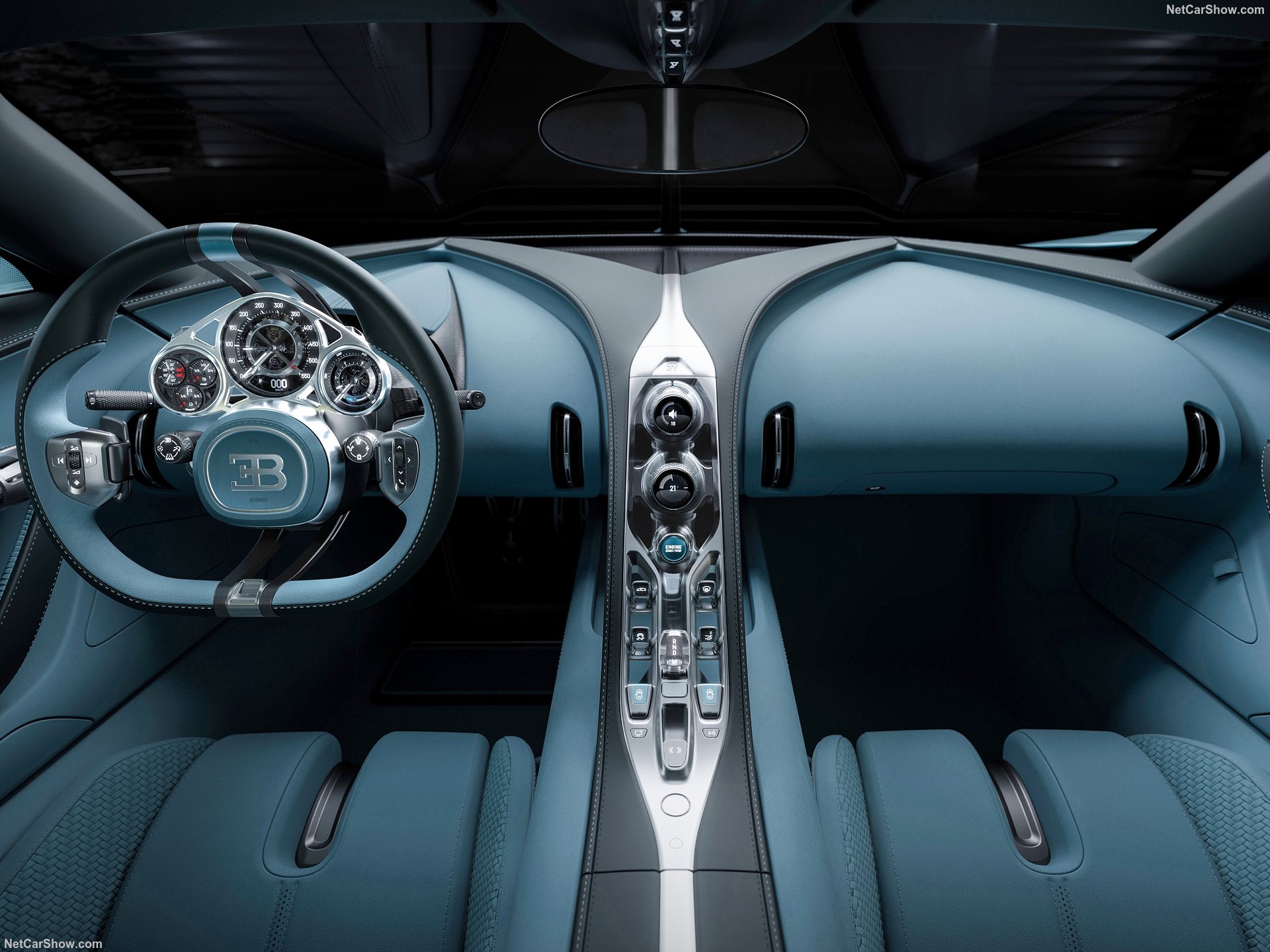
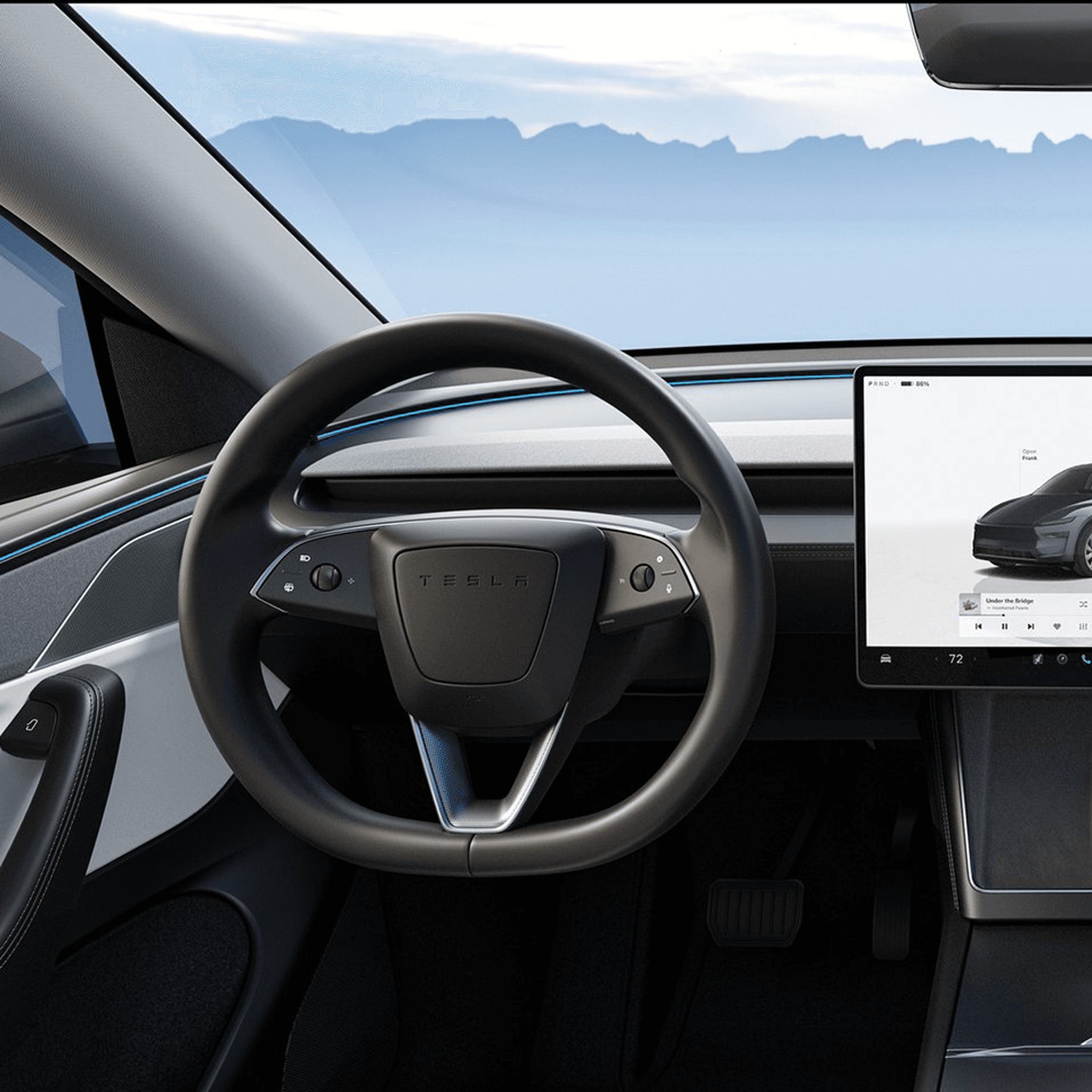
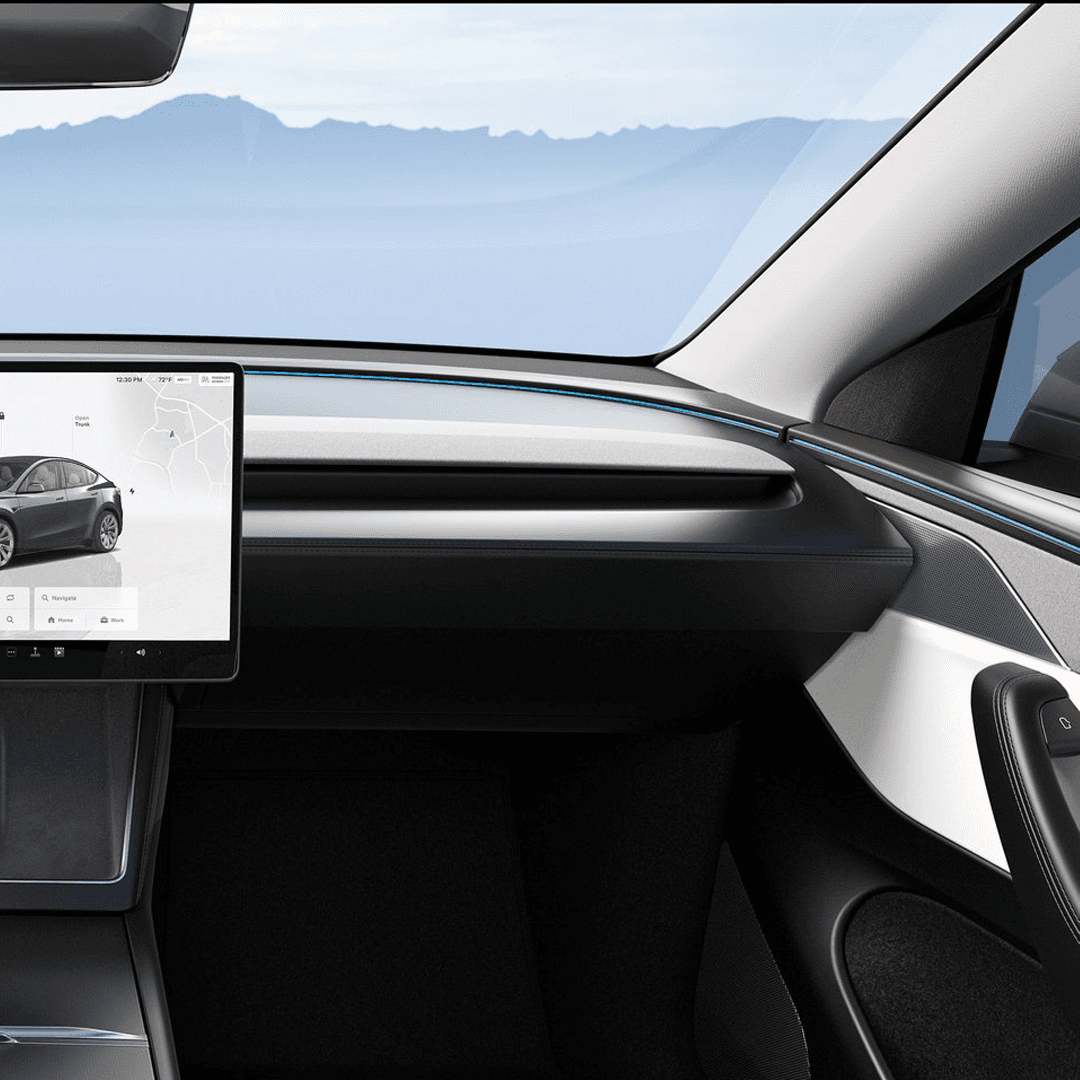
Your HMI is a direct communication of your brand to your customers (both current and prospective). The decisions you make should always be driven by what the brand stands for. Simply put, there must always be an answer to the WHY? of any HMI choice you make.
Why is the shifter on the console? Why is the centre screen that big? Why do I still have a master light switch? Why are some of the heating controls hidden behind an infotainment layer? Why am I hiding some controls away?
The decisions made are all contextually sensitive to what your brand represents. It is design’s job to lie on the tracks for the car’s interior capability. This doesn’t mean refusing to budge when costs need reducing. But it also doesn’t mean just immediately taking a physical switch out just because it’s cheaper and easier to put it in the screen. Spoiler, its rarely cheaper and easier to put it in the screen. It is our job to represent human-centred reality when someone asks, “what is the tech story?”.
HMI is a complex system with interdependent design elements that span physical switchgear, onscreen UI, lighting, Sound and CMF. By setting out your HMI manifesto, with a clear message of who you are, you’ll be best placed to avoid the pitfalls of deleting the wrong interfaces or adding too much complexity.